
Reviewed · TOURS IN HELSINKI
Helsinki: Floating Experience in a Survival Suit
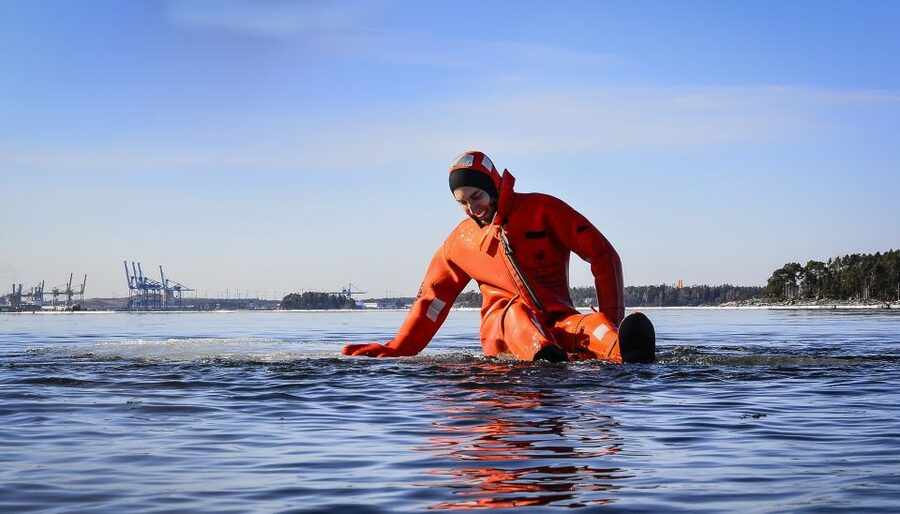
Helsinki’s Baltic Sea becomes an unusual place to relax when you are wearing a neoprene survival suit and floating on your back in near-freezing water. You stay warm and dry while an English-speaking instructor explains sea rescue and hypothermia, then guides you through simple survival techniques.
I like two things here: the peaceful weightless feeling, and the fact that you learn something useful rather than simply taking a novelty swim. In winter, you may also walk on frozen sea ice, break through a sheet, or practice getting out of the water. The main drawback is that the suit can feel awkward around the face and neck, and some movements take real effort.
Key points at a glance
- Floating without swimming ability: The survival suit keeps you buoyant, so you do not need to know how to swim.
- Winter conditions change the experience: Ice may be solid enough to walk on, or absent altogether, depending on the weather.
- Practical cold-water training: You learn about hypothermia, rescue procedures, winter bathing, and self-rescue.
- Relaxation is part of the activity: After the safety instruction, you can close your eyes and float quietly in the Baltic Sea.
- Friendly, hands-on guides: Olli, Leif, and Patrik are among the instructors named by customers, with photos often taken during the session.
- A short but unusual Helsinki outing: The experience lasts 1.5 hours and costs $159 per person.
Floating in a survival suit near central Helsinki
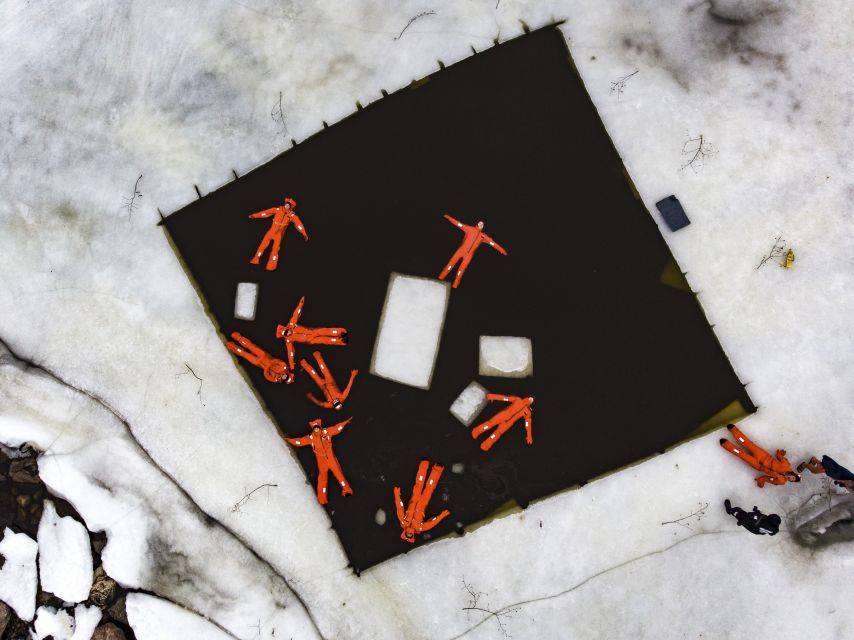
This is not a standard sightseeing cruise or a quick dip in the sea. You put on a full survival suit, enter the water in natural conditions, and let the suit do the work of keeping you afloat. The result is oddly calming: your body rests on the surface, your ears hear little more than the water and the guide, and the cold becomes something you can study rather than fear.
The session runs in both open-water and icy conditions. In warmer periods, the focus is sea rescue, floating, relaxation, and basic survival skills. In winter, the lesson shifts toward ice behavior, cold exposure, and how to respond if you fall through the ice.
That seasonal difference matters. A December or January booking may give you the memorable sight of a frozen Baltic Sea, but there is no guarantee of thick ice. Some winter sessions have had no ice at all, and that does not cancel the activity. You still float in the water and work through the same cold-water instruction.
Other trips travellers book around Helsinki:
- Helsinki: Sightseeing Canal Cruise with Audio Commentary
★ 4.5 · 1,299 reviews - A Finntastic Walking Tour in Helsinki
★ 5.0 · 700 reviews - From Helsinki: Nuuksio National Park Half-Day Trip
★ 4.8 · 688 reviews
Getting ready in ordinary winter clothes
You are asked to arrive 15 minutes before the start. The practical packing list is short: comfortable clothes, and preferably your own wool pullover and wool socks. You can arrive in normal winter street wear, which makes this easier to fit into a day of sightseeing.
The survival suit is included, along with an instructor. The suit is designed to keep you warm and dry, but it is not tailored for elegance. The opening around the face may feel tight, and the material can make sitting up, looking around, or paddling away from the edge more tiring than expected.
That awkwardness is part of the lesson. The guide shows you how the suit behaves in the water and how to manage your body while wearing it. You are not expected to move like a swimmer. The goal is to stay calm, conserve energy, and use the suit properly.
No swimming experience is required. One person who did not swim was able to relax and float for about 45 minutes after the guide explained the process. That makes this a good option if the idea of open water normally brings more nerves than excitement.
The first water lesson: buoyancy and calm
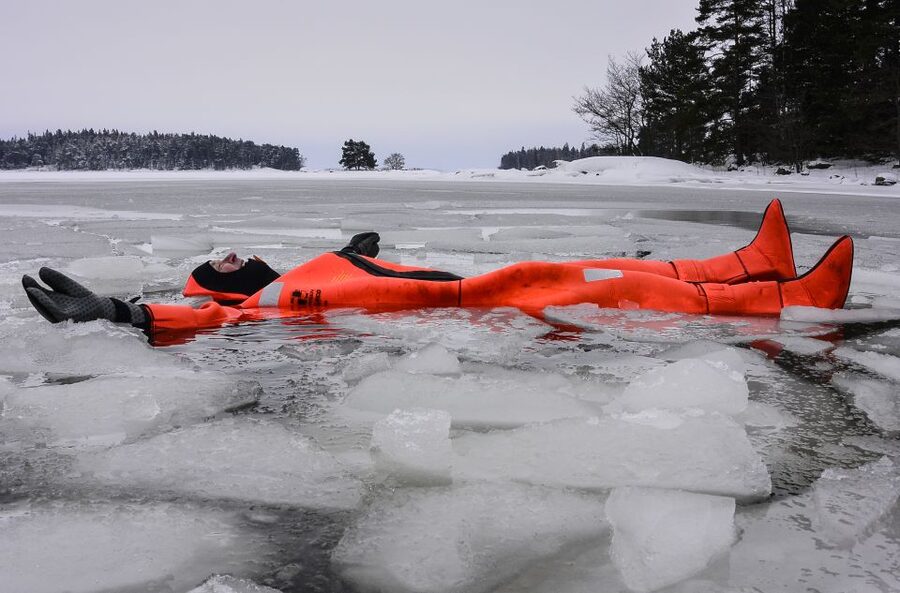
Once you enter the sea, the first task is getting comfortable. The suit provides buoyancy, so you can lean back and allow the water to hold you. The instructor remains nearby and talks you through what to do.
This is the point where the activity changes from a cold-weather stunt into something surprisingly quiet. You can close your eyes, breathe slowly, and let your arms and legs rest. Even in Helsinki, with the city close by, the water can feel wonderfully separate from the noise of streets and museums.
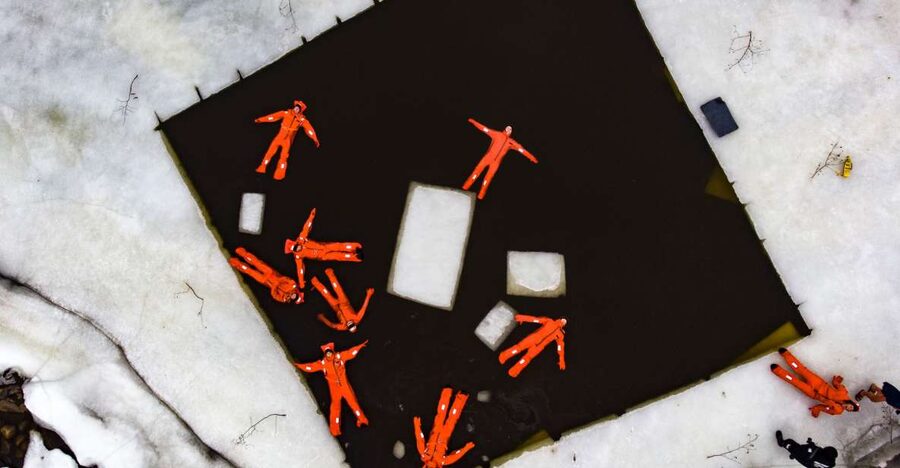
The length of time in the water varies with the session and conditions. Some customers have floated for roughly 35 minutes, while others describe staying in the water for around 45 minutes or even an hour. You are not rushed out simply because you have completed the basic instruction, but the instructor controls the session with safety in mind.
If you expect constant action, this may feel slow. That is also the point. The floating section gives you time to notice how your breathing changes in cold water and how quickly relaxation returns once you trust the suit.
Learning what cold water does to the body
The educational side is stronger than you might expect. The instructor explains hypothermia, the effects of cold water on the body, and why staying calm matters during a rescue situation.
You also learn about winter bathing and the potential benefits of gradually starting cold-water exposure. This is not presented as a magic health cure. Instead, it gives you a sensible introduction to how the body reacts and why preparation matters.
The guides are a major part of the experience. Olli, also spelled Oli or Ollie in customer accounts, is repeatedly praised for patient explanations, an encouraging manner, and practical demonstrations. Leif has also led sessions, and Patrik has been described as an excellent instructor. The activity is conducted in English.
You should expect a lesson rather than a silent spa treatment. The guide may ask you to try movements, answer questions, and take part in short rescue exercises. The tone appears friendly and reassuring, but the subject is real: cold water can overwhelm an unprepared person quickly.
Same base, a completely different day:
- Helsinki: Tallinn Guided Day Tour with Ferry Crossing
★ 4.6 · 670 reviews - Helsinki: Hop-On Hop-Off City Bus Tour
★ 4.2 · 585 reviews - Helsinki: Bus Tour with Audio Guide
★ 4.3 · 544 reviews - Helsinki to Tallinn Guided Tour -cruise ticket & pick up included
★ 4.5 · 485 reviews
Practicing self-rescue and rescue skills
The exact exercises depend on the water and ice conditions, but the activity can include sitting up in the suit, paddling, and practicing how to help yourself in a survival situation. In ice conditions, you may learn about the behavior of the ice and what happens when it breaks.
Some winter sessions have included walking on the frozen Baltic Sea, breaking a large piece of ice, and entering the water through an opening. That is the memorable side of the experience, but it is also where the instructor’s presence matters most. You are not left to experiment alone.
The suit changes the usual rules. You are not trying to swim fast. You are learning to use buoyancy, make controlled movements, and avoid wasting energy. Sitting upright or looking around can strain your neck, especially because the suit does not move like ordinary clothing.
That physical effort is worth knowing about before you book. The activity is relaxing once you settle into the water, but it is not entirely passive. You may work your arms, neck, and core while trying to orient yourself or move away from the ice.
Ice conditions make winter sessions special
If Helsinki has a cold snap, the experience can become far more dramatic. The Baltic Sea may be partly frozen, giving you the chance to stand on ice before entering the water. You may also see the ice crack or break as part of the safety lesson.
The exact scene cannot be promised. One January session took place after a major cold front, with frozen water and ice play. Another winter outing had no ice sheets. Both conditions offer something different.
With ice, you get a strong Arctic feel without leaving Helsinki. Without ice, you get a clearer focus on floating, rescue, and cold-water safety. The activity operates in rain and other ordinary weather, so do not book it only for a perfect winter postcard.
Wind and ice conditions can require a change of location. You are notified if that happens. This flexibility is sensible because the session takes place in natural water, not a controlled indoor pool.
What the 1.5-hour schedule feels like
The total duration is 1.5 hours. That includes preparation, instruction, time in the water, and the practical exercises. The time goes quickly if your group is keen to try the rescue techniques, but it can feel more spacious during the quiet floating period.
A typical flow looks like this:
- Arrive 15 minutes early and meet the English-speaking instructor.
- Put on the survival suit over your comfortable clothing.
- Learn the basic safety rules and how the suit supports you.
- Enter the sea and practice floating.
- Hear about hypothermia, winter bathing, and rescue.
- Try movements such as sitting up, paddling, or self-rescue.
- In icy conditions, learn about the ice and possibly walk or enter through an opening.
- Finish with time to leave the water and change back into your clothes.
The order can shift with wind, ice, and water conditions. Treat the schedule as a framework rather than a tightly timed series of stops.
The $159 price and what you receive
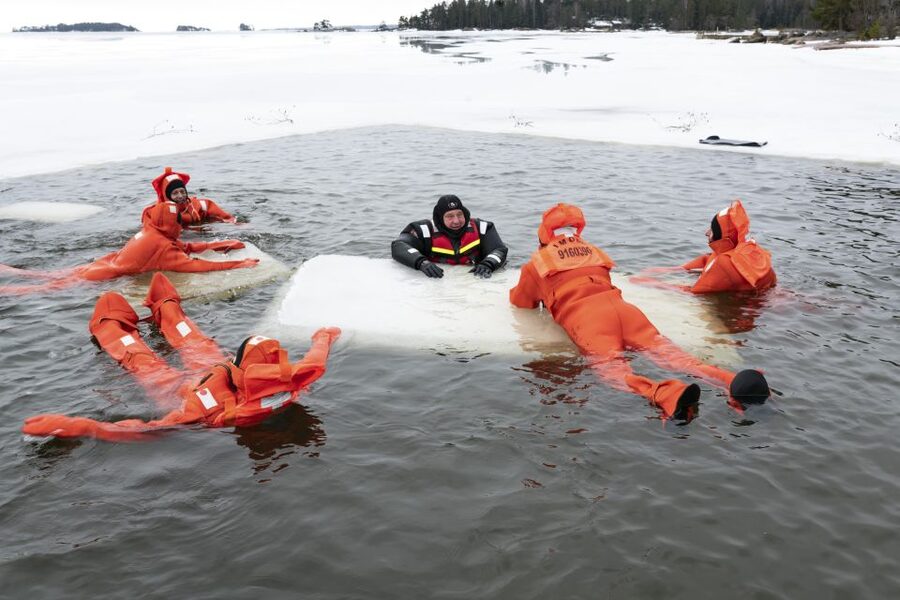
At $159 per person, this is not a cheap filler activity. You are paying for a specialist suit, an instructor, time in natural water, safety guidance, and an experience you will not duplicate by simply walking along Helsinki’s waterfront.
The value is strongest if you want something active and unusual, or if you are curious about Finnish cold-water culture. The price is harder to justify if your only goal is a few minutes in the sea. The educational content and the amount of time spent floating make it more substantial than a photo opportunity, but the experience remains short.
The small-group feel can improve the value. One booking ended up with only two people, creating an almost private session. Another group had 13 participants and still found the guides patient and encouraging. Group size can affect how much individual attention you receive, so ask yourself how much hands-on coaching you want.
Photos and videos may also be taken during the activity and shared afterward. This is not listed as a formal included feature, so consider it a welcome extra rather than something to rely on. Guides such as Olli have taken photos during the session, which can save you from trying to operate a phone in a bulky suit.
Who should book this experience
I would recommend it to adults and older children who want an unusual Helsinki memory and do not mind getting into cold natural water. It is especially well suited to:
- People who cannot swim but want a safe introduction to floating.
- Anyone interested in Finnish winter bathing.
- Visitors who have already seen Helsinki’s main sights and want something local and physical.
- Couples, families, and small groups looking for an activity everyone can discuss afterward.
- People who enjoy learning practical safety skills along with having fun.
- Anyone hoping for a taste of northern ice conditions without traveling far north.
You should think twice if you have limited mobility. The experience is not suitable for people with mobility impairments, and the provider sets a minimum height of 5 feet 1 inch, or 155 centimeters.
You also need to be comfortable entering natural water in changing weather. There are no weather restrictions, and the activity runs in rain and shine. Alcohol and drugs are not allowed, which is especially important for a cold-water activity where clear judgment matters.
Smart preparation for a warmer, easier session
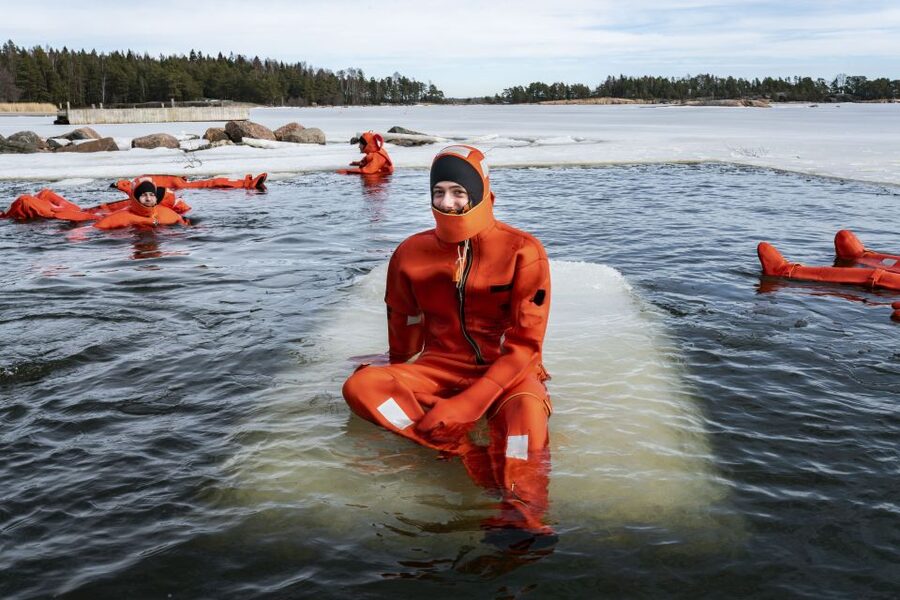
Wear comfortable layers beneath the suit. Your own wool pullover and wool socks are recommended, and they make more sense than bulky cotton clothing. You can arrive dressed for ordinary Helsinki winter weather rather than carrying specialist gear.
Do not assume the suit will make every part of you feel perfectly comfortable. It keeps you warm and dry in the water, but the face and neck area can feel restrictive. If you have neck or shoulder trouble, the repeated effort of looking up, sitting, and paddling may be worth considering before booking.
Arrive early enough to hear the full safety briefing. The most useful part of the activity is not simply floating. It is learning how to respond when cold water, ice, and unfamiliar equipment make ordinary movements less effective.
Keep your expectations flexible about the scenery. A frozen sea is possible, but not guaranteed. The activity still works in open water, and the quiet floating can be the best part for some people.
My verdict: book it for the lesson as much as the thrill
I would book this if I wanted one Helsinki activity that felt both playful and useful. Floating in a survival suit is memorable, but the stronger reason to go is the mix of calm water time, cold-weather education, and guided self-rescue practice.
Book it in winter if you like the chance of sea ice, but do not treat ice as a promise. Book it in open-water season if your priority is a longer, quieter float and a clear focus on rescue skills.
At $159, it is a special-occasion experience rather than a budget activity. For a non-swimmer, a winter-bathing beginner, or anyone looking for a story far more interesting than another museum visit, the price can make sense. If you dislike bulky clothing, physical effort, or the thought of entering natural water, choose a different Helsinki outing.
FAQ
Do I need to know how to swim?
No. Swimming ability or previous experience is not required because the survival suit provides buoyancy and the instructor explains how to float safely.
How long does the activity last?
The experience lasts 1.5 hours. The exact amount of time spent in the water can vary with the session and conditions.
What should I wear?
Bring comfortable clothes. Your own wool pullover and wool socks are recommended, and you can arrive in normal winter street wear.
Does the activity operate in rain or bad weather?
Yes. The activity operates in rain and shine, although the location may change because of wind or ice conditions.
Will there definitely be ice?
No. Ice depends on natural conditions. Winter sessions may include frozen sea, but some take place in open water without ice.
Is the instruction available in English?
Yes. The instructor speaks English.
Can children or shorter participants join?
The activity is not suitable for people under 5 feet 1 inch, or 155 centimeters. It is also not suitable for people with mobility impairments. No other age limit is provided.
Just added around Helsinki
- From Helsinki: Guided Tour of Porkkalanniemi Peninsula★ 5.0 · 22 reviews
- Helsinki: Architecture Walking Tour with Expert★ 4.9 · 55 reviews
- CITY Tour with Food Tasting in Helsinki★ 4.8 · 53 reviews
- The 1st Helsinki Free Tour – Since 2016★ 4.5 · 66 reviews
- From Helsinki: 3-Day Return Cruise to Stockholm & Breakfast★ 4.6 · 57 reviews
- Helsinki: 4D Flying Cinema Tour of Helsinki Tickets★ 4.3 · 52 reviews
- Private TukTuk guided Tour in Helsinki 2,5 hrs★ 5.0 · 76 reviews
- Helsinki: Architectural Highlights Guided Walking Tour★ 4.9 · 80 reviews
Tours in Helsinki, compared.
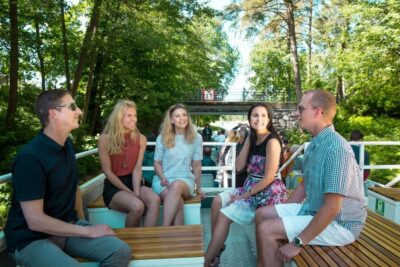
Sightseeing Canal Cruise with Audio Commentary
Read our review →
Helsinki to Tallinn Guided Tour -cruise ticket & pick up included
Read our review →
Browse the lists this tour appears in