Reviewed · TOURS IN KEMI
Icetrek to Old Kemi
The most unusual part of this Kemi outing is also the simplest: you walk from the SnowCastle across the frozen sea to Laitakari island, the place tied to Kemi’s beginnings. There is no snowmobile ride or staged Arctic set here. You learn how to move on sea ice, then explore a deserted sawmill site and village ruins with a guide who connects the island to the city’s birth.
I like the mix of practical ice skills and local history. I also like the way the trip reaches an old industrial site instead of keeping you inside the usual winter activity circuit. The main consideration is the cold and the exposed walk. Warm clothing is essential, and the route can change or be shortened when weather or ice conditions require it.
Key points at a glance
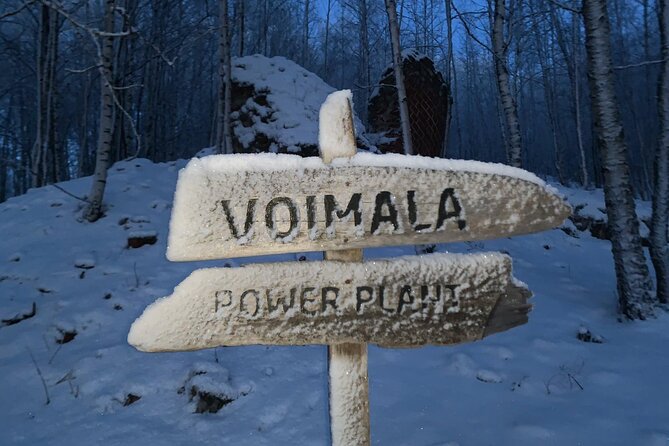
- Walk 0.8 km across the frozen sea from the SnowCastle to Laitakari island.
- Learn basic ice safety and movement before and during the trek.
- Explore Old Kemi’s sawmill ruins and village remains on a deserted island.
- Hear how the timber trade shaped Kemi, including the link to Emperor Alexander II.
- Travel 2 to 3 km in about 2.5 hours on mostly flat ice and snowy ground.
- Meet guides such as Marko, whose lively teaching adds Finnish culture to the outing.
Why Laitakari tells Kemi’s story better than a standard city walk
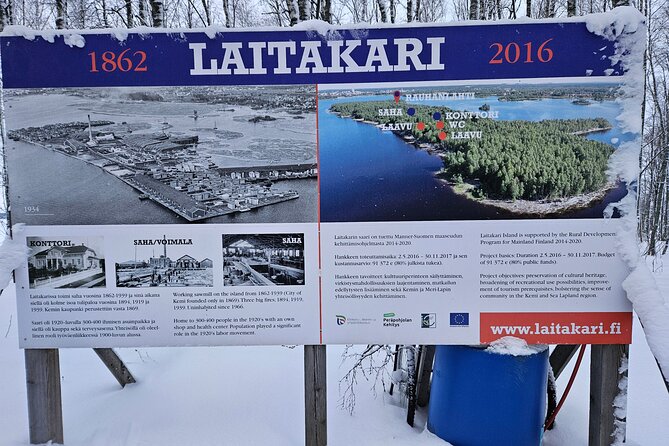
Kemi is known today for winter attractions, the SnowCastle, and its position beside the Gulf of Bothnia. But the city’s roots are not only in its modern buildings or tourist facilities. They reach back to Laitakari, an island connected with the timber industry that helped set Kemi on its path.
That gives this short trek a useful sense of purpose. You are not crossing the ice simply to say you walked on a frozen sea. The crossing gets you to the place where the area’s working past can still be seen in fragments.
The island was inhabited and established before Kemi city was formed. Its sawmill became successful enough to shape the region’s future, and the account presented on the tour links that success with Russian Emperor Alexander II’s decision to build Kemi. That is a striking local detail. It turns a quiet island into part of a much larger story about industry, trade, and town building.
I find this kind of history more useful than a long list of dates. You can look at the remains of a sawmill and village, then understand why a city grew nearby. The industrial setting also gives the trip a different feel from a purely scenic winter walk. You get scenery, but you also get a reason for being there.
Other trips travellers book around Finland:
- Rovaniemi: Northern Lights Tour with Guaranteed Sightings
★ 4.6 · 3,836 reviews - Northern Lights Rovaniemi: Guaranteed Viewing & Unlimited Mileage
★ 5.0 · 2,321 reviews - Rovaniemi: Lapland Northern Lights Tour with BBQ
★ 4.0 · 1,569 reviews
Starting at the SnowCastle and preparing for the ice
The meeting point is the SnowCastle of Kemi, specifically the Experience365 reception hall. The first part of the outing covers equipment delivery and safety matters. Expect a short safety briefing of about 15 minutes before the group heads toward the shore and sea ice.
This preparation matters. Walking on ice is not simply the same as walking on a pavement covered with snow. The guide teaches basic movement on icy and snowy surfaces, and icetrekking poles are provided for the activity. You learn how to place your feet, use the poles, and move with more control.
The supplied gear includes rental poles, but thermal outdoor clothing is not included. You can rent warm clothing if needed. Bring proper winter layers even if the day looks mild from inside the SnowCastle. The sea crossing is exposed, and standing still while listening to the guide can feel colder than walking.
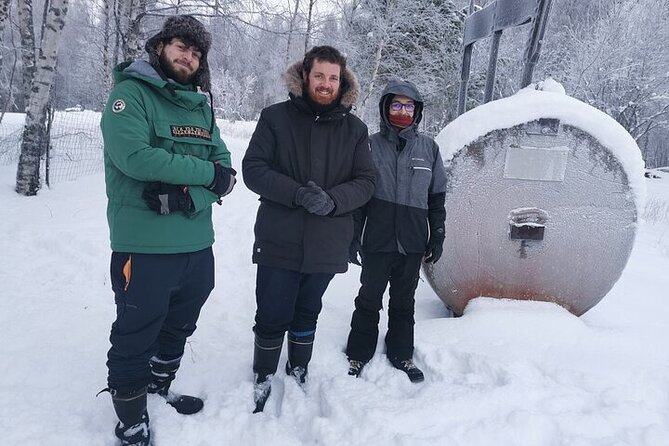
The tour is offered in English and Finnish. Marko is one of the guides associated with the experience, and his approach combines the practical side of ice travel with Finnish culture and local stories. That combination is important here. You are not only being told to walk carefully. You are being shown how the frozen setting fits into life in northern Finland.
The 0.8-kilometre crossing to Laitakari
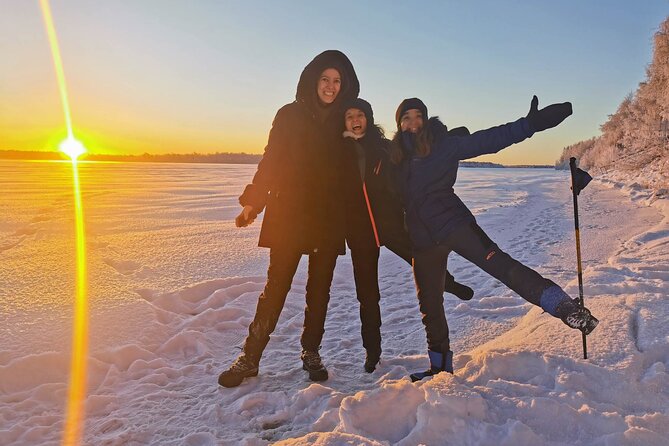
The first major stage is a walk of roughly 0.8 kilometres across the Ostrobothnian Sea ice. This is the moment that makes the outing feel different from an ordinary historical tour. The surface is broad, open, and white, with no road or bridge carrying you toward the island.
The guide explains how to move safely in the conditions. You will use the poles and adjust your pace to the snowy or icy surface. The route is described as flat, but flat does not mean effortless. Cold, wind, uneven snow, and the novelty of walking on sea ice all affect how the crossing feels.
This is also where you should keep your expectations sensible. The tour does not promise a dramatic survival challenge, and it is not a technical expedition. It is a guided introduction to moving over ice, followed by a historical visit. That makes it approachable for adults who want something active but not extreme.
The total walking distance is about 2 to 3 kilometres, including the return journey and time on the island. The crossing itself is only one part of the route, so you should be ready to walk for the full 2.5-hour program. The guide may alter the route or duration without notice if weather conditions make that necessary. Safety takes priority over completing a fixed path.
Old sawmills, village ruins, and the origin of Kemi
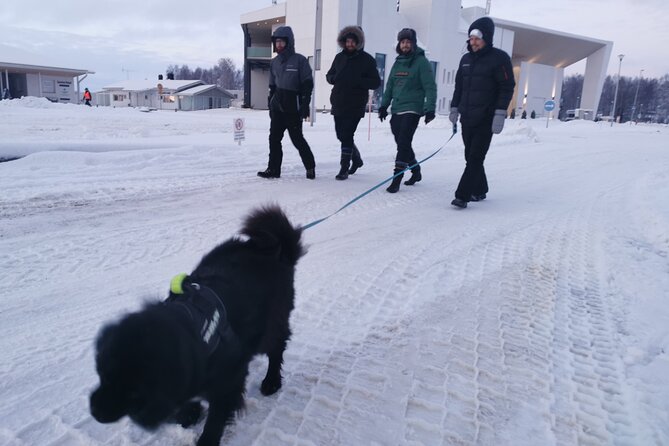
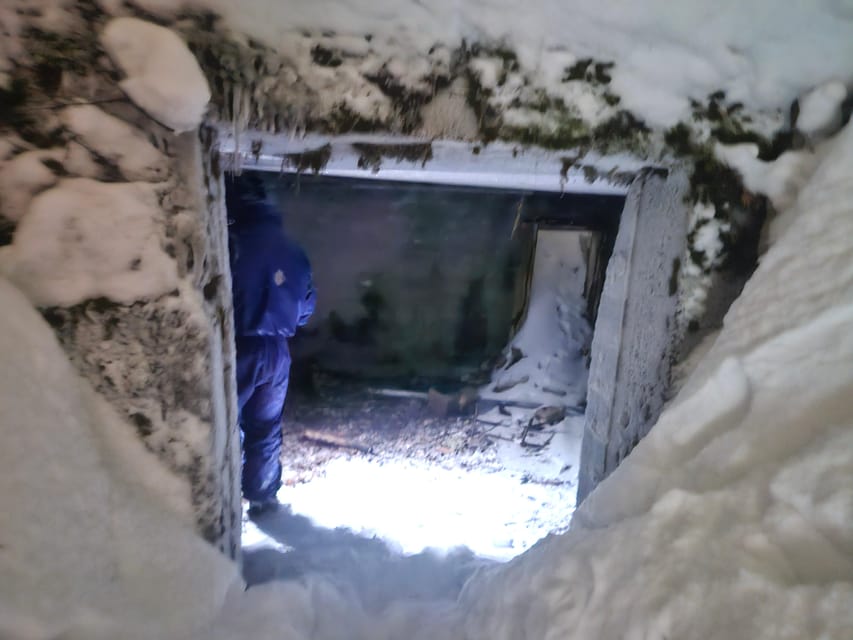
Once you reach Laitakari, the emphasis changes from ice technique to local history. The guide leads you around the remains of the old sawmill and the deserted village area. These are not polished museum displays. Their appeal comes from seeing traces of a working community in its original setting.
A sawmill may sound like a dry stop on paper, but it explains a great deal about Kemi. The wood industry brought work, trade, and attention to the area. The island’s success helped create the conditions for Kemi city to be built.
The tour also explains how the wood industry operated. You get an outline of the process and the role timber played in the local economy. This is a valuable part of the experience because it gives context to the ruins. You are not just looking at old structures. You are learning why they existed and what they meant to the people who lived and worked there.
Allow yourself time to look closely. The quiet setting is part of the point. The abandoned site has none of the bustle of a modern attraction, and that can make the past easier to picture. At the same time, you should not expect a fully preserved town or a large indoor museum. Much of the visit is an outdoor walk with spoken explanation.
The historical account connects Laitakari’s success to Alexander II and the later creation of Kemi. That detail gives the guide a clear thread to follow: island settlement, timber industry, imperial interest, and the birth of the city. A good guide can make those links feel immediate, and Marko has been praised for bringing energy and humor to the explanation.
Same base, a completely different day:
- Rovaniemi: Reindeer, Huskies & Santa Claus Village
★ 4.5 · 1,543 reviews - Rovaniemi: Small-Group Northern Lights Wilderness Tour
★ 4.3 · 1,515 reviews - From Rovaniemi: Korouoma Canyon and Frozen Waterfalls Tour
★ 4.8 · 1,489 reviews - Rovaniemi: Apukka Husky Adventure
★ 4.6 · 1,328 reviews
A guide-led lesson, not just a photo stop
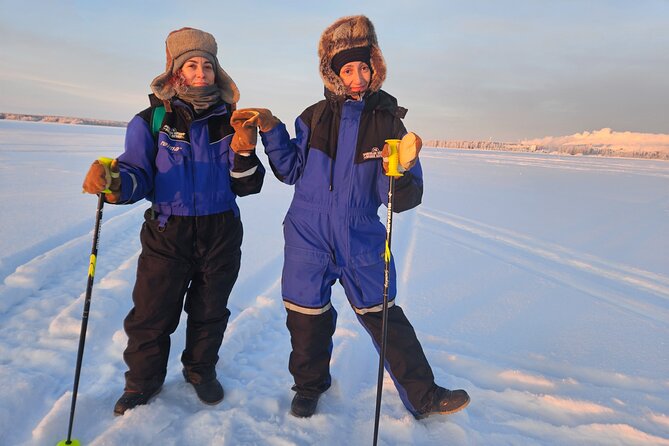
The guide is central to the value of this activity. Without the explanation, Laitakari would still offer a pleasant walk and an unusual sea crossing, but the trip would lose much of its meaning.
The strongest part of the guiding is the blend of instruction and storytelling. Marko has been described as warm, enthusiastic, and eager to explain both Laitakari’s past and Finnish culture. That matters on a small outdoor tour, where the guide sets the pace and mood for the entire group.
You can expect the guide to explain ice safety, local history, and the wood industry in a single outing. The style is informal rather than academic. It suits you if you prefer a human explanation to reading signs or following a recorded audio track.
Language is worth considering. The live guiding is in English or Finnish. If you do not speak either language, the historical detail may be harder to follow. A French visitor specifically suggested that a French translation or small booklet would help, so readers who rely on another language should weigh that limitation before booking.
The upside of a live guide is flexibility. On a quiet date, the outing may feel very personal, and the guide may be able to point out details or take photographs. One recent New Year’s Eve outing was described as a private experience for just the guide and one participant, with time for scenic stops and photos. Group size can vary, so you should not assume every departure will be private.
What the scenery and season add
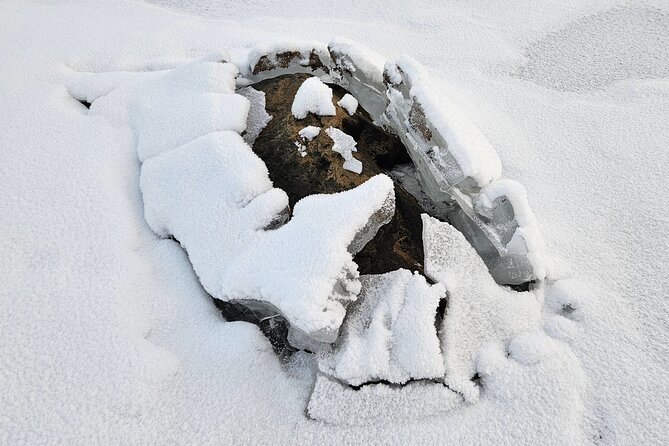
The frozen sea is the visual heart of the outing. You get a wide view rather than a narrow trail, and the changing light can add a memorable touch. One participant specifically described walking at sunset, with the colors making the trek feel special.
That said, winter light is not guaranteed to be dramatic. Weather can bring cloud, snow, wind, or poor visibility. The appeal is the setting itself, not a promise of a particular sunset.
The season also affects comfort. Warm clothing is listed as essential, and that advice should be taken seriously. Thermal outdoor clothing can be rented, which helps if you are visiting Kemi without a full Arctic wardrobe. Your boots, gloves, hat, and layers matter just as much as the poles supplied for the trek.
This is an outdoor experience in a cold environment, so there is a practical tradeoff. You get a stronger sense of place than you would from an indoor presentation, but you must accept exposure to the weather. If you dislike cold walks or find icy surfaces tiring, the outing may feel demanding despite its short distance.
Price, duration, and what the $57 covers
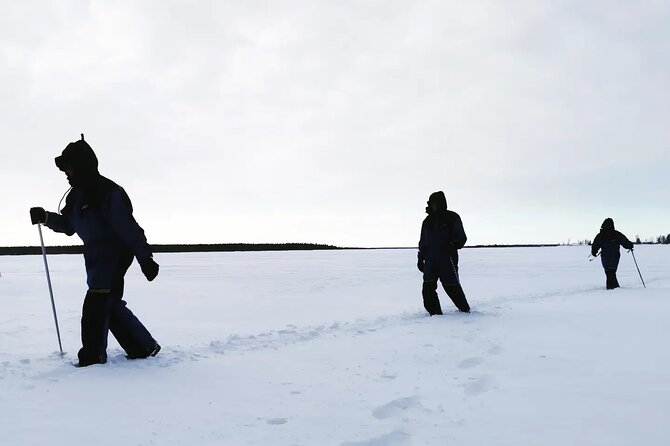
At $57 per person, the trip sits in a reasonable range for a 2.5-hour guided Arctic activity. The price includes the English-speaking guided tour, icetrekking poles, the ice-safety instruction, the Laitakari visit, a short history of Kemi, and an explanation of the wood industry.
The value comes from the combination. A simple walk across the ice would offer scenery but little context. A history talk would not give you the physical experience of crossing the sea. Here, the instruction, outdoor setting, and industrial story are joined in one compact outing.
The price does not include thermal outdoor clothing. If you need to rent a full set, add that cost to your planning. You also need to reach the SnowCastle of Kemi on your own, since the stated meeting point is the Experience365 reception hall and no transfer is included in the information provided.
The 2.5-hour duration works well for a winter schedule. It is long enough to include the briefing, crossing, island tour, and return without taking up a full day. If weather shortens the route, the experience may be less substantial than expected, but that is a sensible safety adjustment rather than a flaw.
Free cancellation up to 24 hours before the start and the option to reserve now and pay later add useful flexibility. Those terms are helpful in Lapland, where weather can change plans quickly.
Who should book the Laitakari trek
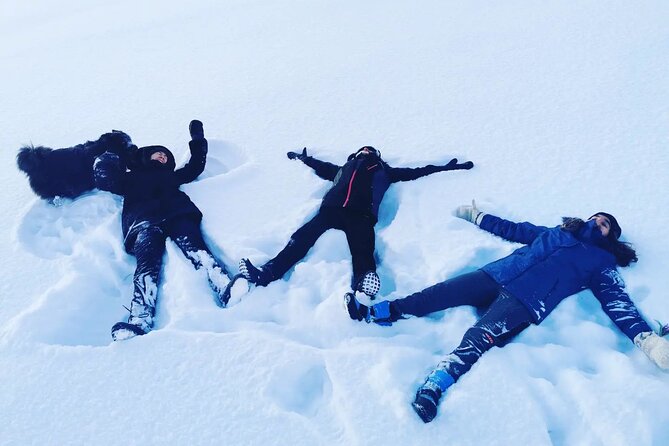
I would recommend this activity to you if you want a quieter and more local-feeling alternative to the most familiar Kemi winter attractions. It suits adults and older children who can manage a 2 to 3 kilometre walk on snow and ice and who enjoy learning how a place developed.
It is especially good for:
- People curious about Finnish timber history and industrial sites
- Visitors who want to walk on sea ice with instruction rather than attempt it alone
- Photographers interested in open winter views and possible sunset light
- Those who prefer a small, guide-led outing to a large commercial attraction
- Anyone staying near the SnowCastle who wants a half-day activity
The activity is not suitable for children under five, pregnant women, wheelchair users, people with mobility impairments, or people over 80. It is also not suitable for anyone over 331 pounds, or 150 kilograms. These limits reflect the demands of the route and the ice environment.
You should also think carefully about footwear, stamina, and cold tolerance. The terrain is flat, but the surface is not an ordinary path. If you need frequent indoor breaks, this is probably not the right choice.
The return walk and the final impression
After the visit to Laitakari, you follow the route back across the sea ice to the SnowCastle. The return gives you another chance to practice the movement techniques introduced at the start, and the open crossing may look different as the light changes.
The final impression is less about checking off a famous sight and more about understanding a place through its working past. You walk over the same body of water that shaped Kemi’s position, visit an island tied to the city’s origin, and hear how timber helped drive local development.
The strongest praise for this experience centers on the guide’s warmth, humor, and passion. That is worth emphasizing because the setting alone does not carry the full tour. A lively guide makes the safety lesson easier to follow and turns the sawmill ruins into a story rather than a collection of weathered remains.
Should you book it?
Book this trek if you want an active, educational outing with a real local focus. The frozen sea crossing is memorable, but the visit to Laitakari and the explanation of Kemi’s wood industry give the activity its lasting value.
Skip it if you want a heated attraction, a guaranteed scenic spectacle, or an easy stroll with little exposure to winter conditions. For everyone else, the $57 price is fair for the guide time, equipment, ice instruction, and access to a historical site that you would not understand as well on your own.
FAQ
Where does the Icetrek to Old Kemi begin?
The activity begins at the SnowCastle of Kemi, at the Experience365 reception hall.
How long does the experience last?
The tour lasts about 2.5 hours, including the safety briefing, walk to Laitakari, island visit, and return to the SnowCastle.
How far do you walk?
The total route covers about 2 to 3 kilometres on sea ice and flat terrain.
How far is Laitakari from the SnowCastle?
The route crosses approximately 0.8 kilometres of Ostrobothnian Sea ice to reach Laitakari island.
What languages are available?
Live guiding is available in English and Finnish.
Is ice-walking equipment included?
Rental icetrekking poles are included, along with instruction on how to move safely on ice and snowy surfaces.
Is warm clothing included?
Thermal outdoor clothing is not included. It can be rented, and you should bring warm clothing.
What can you see on Laitakari?
You visit historical industrial remains from the old sawmill and see the ruins of the former village.
Is the tour suitable for young children?
The experience is not suitable for children under five years old.
Can the route change?
Yes. Weather conditions may lead the provider to change the route or duration without prior notice.
Can you cancel for a refund?
You can cancel up to 24 hours in advance for a full refund. The activity also allows you to reserve now and pay later.
Just added around Finland
- From Helsinki: Guided Tour of Porkkalanniemi Peninsula★ 5.0 · 22 reviews
- From Rovaniemi: EXCURSION TO THE AMETHYST MINE IN LUOSTO★ 4.2 · 15 reviews
- Jewels Of Lapland: Visit to Amethyst Mine in Luosto★ 4.8 · 38 reviews
- Pyhätunturi: Try Ice Climbing in Finnish Lapland★ 5.0 · 27 reviews
- Half-Day Premium Ice Climbing in Pyhä Lapland★ 5.0 · 18 reviews
- Amethyst Mine Tour by Electric Fatbike★ 5.0 · 18 reviews
- Ice Climbing Day in Korouoma Canyon – from Rovaniemi★ 5.0 · 32 reviews
- Inari: 2 hour Ice Fishing at Lake Inari★ 4.8 · 29 reviews
Tours in Kemi, compared.